Topic · Supplement
Berberine
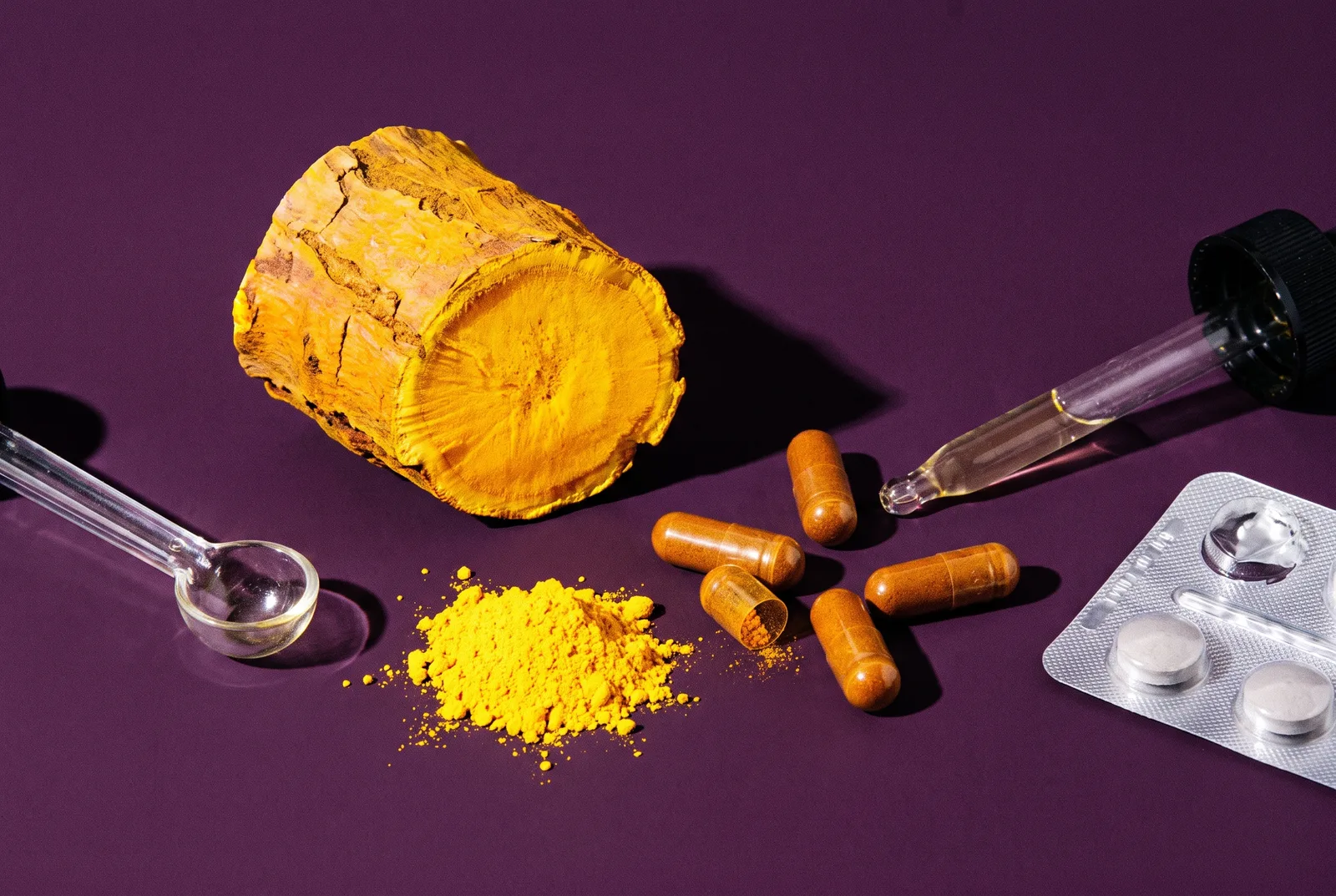
Berberine is a yellow alkaloid extracted from the roots and bark of plants such as barberry, goldenseal and Chinese goldthread. It has been studied mostly for blood sugar and cholesterol markers, usually at 900 mg to 1.5 g a day for one to three months. Effects on weight and PCOS markers are modest or unclear. It also interacts with several medications and carries real cautions, including in pregnancy.
Start here

Berberine FAQ
What is berberine used for, and does it work?
Berberine is mainly studied for blood sugar and cholesterol markers. In a 12-week trial of 409 adults with newly diagnosed type 2 diabetes, it lowered HbA1c more than placebo. In 84 men, 1,000 mg a day modestly lowered total and HDL cholesterol. Weight results are mixed, with small or no changes in meta-analyses. None of this shows it treats a condition.
How much berberine should you take a day?
Most trials used 900 mg to 1.5 g a day for one to three months, often split into two or three doses to ease stomach upset. One pooled analysis included doses as low as 300 mg. The US has no established upper limit, and some European countries set far lower caps, Belgium's as low as 10 mg a day. Ask a doctor first.
What are the side effects of berberine?
The most common are digestive: diarrhea, constipation, cramping and nausea. In one three-month trial at 1.5 g a day, about a third of participants had transient stomach effects. A 2026 review of 22 studies also documented QT prolongation, slowed heart rate and low blood pressure in some cases. Liver injury has not been linked to typical use.
Can you take berberine with metformin or other medications?
Ask a doctor first. A 2026 review found berberine can add to the effect of blood-sugar-lowering drugs, including metformin, even though little berberine reaches the bloodstream. It also affects enzymes and transporters that process other drugs, raising cyclosporine exposure by 34.5% in transplant recipients. Heart-rhythm medications are a theoretical concern.
Who should not take berberine?
Anyone pregnant or nursing should avoid it. A lab and animal study found berberine displaces bilirubin from blood proteins, which is why it is advised against in pregnancy and in newborns. People with heart-rhythm problems, low blood pressure, kidney or liver conditions, or regular medications should ask a doctor first. It is not dosed for children.