Topic · Herb
Milk thistle
Milk thistle (Silybum marianum) is a daisy-family plant whose seeds yield silymarin, a mix of compounds led by silibinin. It is sold mainly for liver support. Human trials are mixed: pooled analyses show small or modest changes in liver enzymes and lipids, while trials in cirrhosis and hepatitis C found no benefit over placebo. It is generally well tolerated, though plain extract is poorly absorbed.
Start here

Milk thistle
Milk thistle: what it is, how it works, and what research shows
Milk thistle
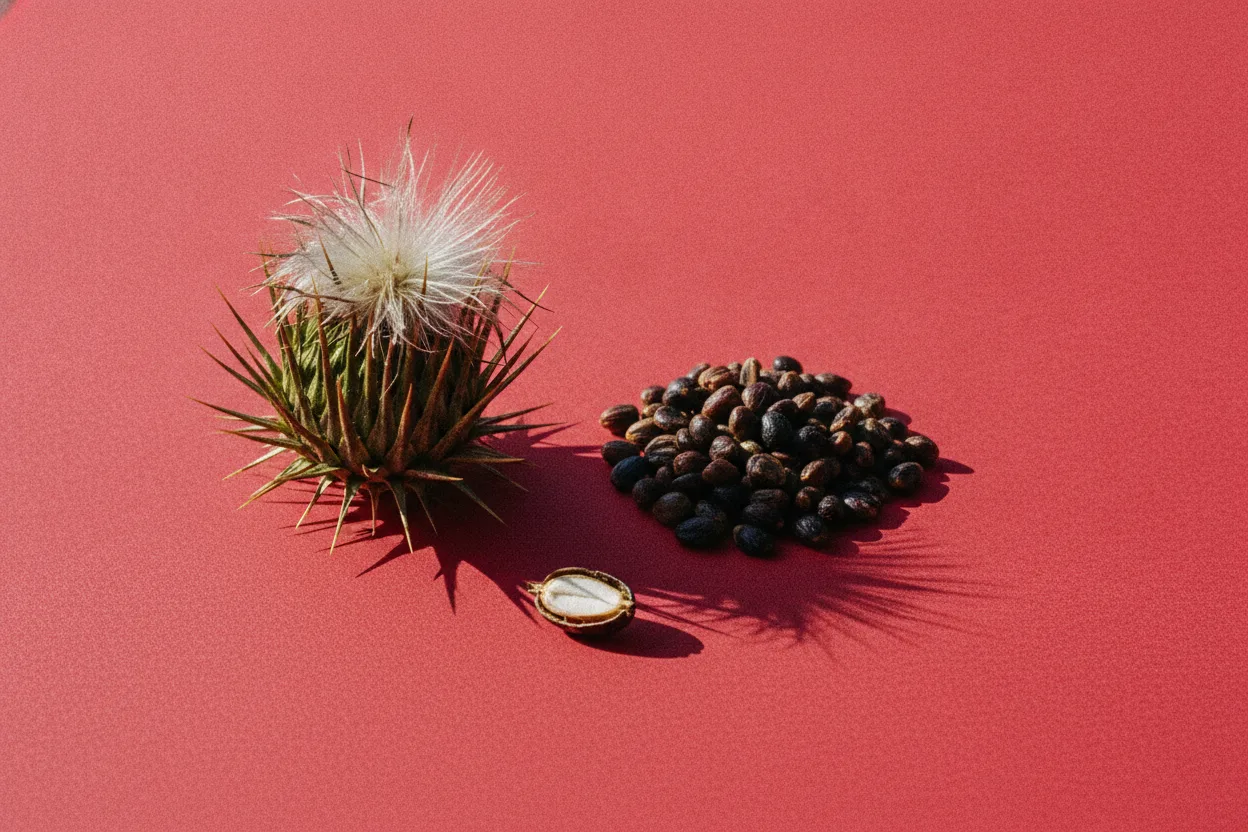
Milk thistle supplement guide: forms, labels, testing and price
Milk thistle
Milk thistle safety: side effects, interactions and who should avoid it
Milk thistle
Milk thistle benefits: what human trials actually found
Milk thistle FAQ
Does milk thistle work for the liver?
Evidence is mixed. A 2024 pooled analysis of 26 trials in people with fatty liver disease found better liver enzymes and lipids, but its authors asked for confirmation. A 2017 analysis found enzyme changes too small to matter clinically, and trials in alcoholic cirrhosis and hepatitis C found no benefit over placebo. It is not a treatment for liver disease.
How much milk thistle should I take a day?
There is no official recommended amount. The dose that recurs across human trials is 420 mg of silymarin a day, taken as three 140 mg doses. Labels vary widely, and "1,000 mg milk thistle" does not tell you the silymarin content, so look for an extract standardized to a stated silymarin percentage.
Is it safe to take milk thistle every day?
Within the tested window, generally yes. A 2019 safety review found silymarin well tolerated at doses up to 2,100 mg/day for 24 weeks, with nausea and diarrhea the main limits as doses rose. No trial followed daily use beyond 24 weeks, so long-term safety is simply unstudied. Rare allergic reactions can occur.
Who should not take milk thistle?
People allergic to ragweed, daisies, artichokes, common thistle or kiwi should avoid it, because milk thistle is in the same plant family and cross-reactions, rarely severe, are documented. Anyone pregnant, nursing, taking prescription drugs, or with a diagnosed liver or kidney condition should check with a doctor first.
Does milk thistle interact with medications?
Reviews describe interaction potential as low, but not zero. A 2009 trial in 12 healthy men found 420 mg/day of silymarin changed losartan blood levels depending on CYP2C9 genotype, while a 2014 study found no significant effect on four major drug-metabolizing enzymes. Ask a doctor before combining it with prescription drugs, especially narrow-margin ones.