Topic
Vitamin C serum
Vitamin C serum is the skincare step everyone has an opinion on, and the hype is partly earned. It is an antioxidant with modest but real evidence for brightening skin and fading dark spots. It is also fussy: it oxidizes, it can sting, and it will never replace sunscreen. Here is what it does, how to use it, and how to pick one.
Start here
Vitamin C serum FAQ
Should I use vitamin c serum in the morning or at night?
Either works. Most people use it in the morning, under sunscreen, because it is an antioxidant and daytime is when UV and pollution exposure happens. The evidence that it boosts sun protection is limited, though, so consistency matters more than timing. Pick the slot you will actually stick with.
Do vitamin c serums actually work?
Modestly, and slowly. Studies of topical L-ascorbic acid suggest it can help brighten uneven tone and soften the look of fine lines over several months. Many of those trials are small, and some are industry-funded. Expect gradual change after about 8 to 12 weeks, not an overnight glow.
Why does my vitamin c serum turn yellow or brown?
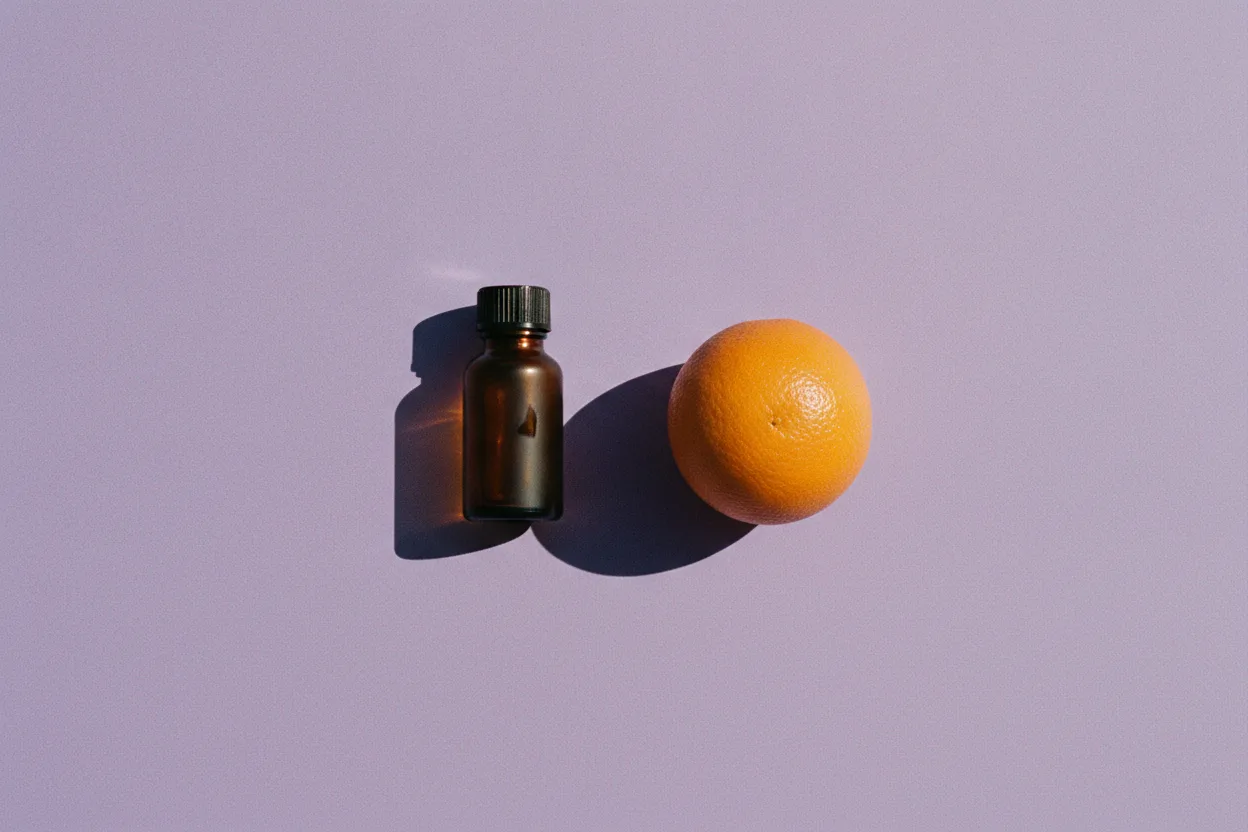
Oxidation. L-ascorbic acid breaks down when exposed to light, air and heat, and the liquid darkens as it does. Pale yellow is usually still usable but may be weaker. Orange or brown, or a sharp metallic smell, means it is time to replace it. Store it capped, cool and out of light.
Can vitamin c serum cause breakouts or irritation?
Irritation is the more common complaint, especially with high-strength, low-pH formulas: stinging, redness, dryness. Breakouts are less clearly tied to vitamin C itself and may come from other ingredients in the bottle. Patch test, start with a lower strength, and use it every other day at first.
Who should be careful with vitamin c serum?
Anyone with a damaged or very reactive skin barrier, a known ingredient allergy, or a condition like rosacea should go slowly and ask a dermatologist first. If you are pregnant, check with your OB or midwife before adding any active. Gentler derivative forms exist, though the research on them is thinner.